

A musculoskeletal specialist Kent service can help assess and manage problems affecting your joints, muscles, tendons, ligaments and other soft tissues. This may include joint pain, sports injuries, arthritis, tendon problems, bursitis, back pain and muscle injuries.
The first step is usually a detailed assessment of your symptoms and physical condition. Depending on the problem, diagnostic imaging such as ultrasound may also be used to understand what is happening beneath the skin. Treatment can then be matched to the condition rather than relying on a one-size-fits-all approach.
At KRIDA, the focus is on personalised musculoskeletal care, with diagnostic assessment, ultrasound technology and a range of non-surgical treatment options available. The clinic states that its team has more than 20 years of experience in musculoskeletal conditions and sports injuries.
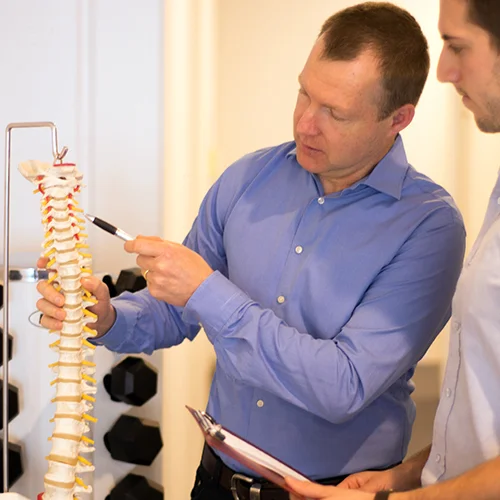
What Does a Musculoskeletal Specialist Do?
A musculoskeletal specialist focuses on conditions involving the body's movement system. This includes the bones, joints, muscles, tendons, ligaments and related soft tissues.
Unlike simply treating pain as a symptom, an MSK assessment aims to understand why the pain is occurring. The specialist may consider:
- Where the pain started
- How long symptoms have been present
- Whether an injury caused the problem
- Which movements make symptoms worse
- Your work, sport or daily activities
- Previous treatments or investigations
- Whether further diagnostic testing is appropriate
KRIDA's expert musculoskeletal consultation includes a clinical examination and, where appropriate, a diagnostic ultrasound scan to assess soft-tissue problems such as tendon, muscle or ligament injuries.
This approach can be particularly useful when symptoms are persistent, returning after treatment or affecting normal movement.
Which Conditions Can MSK Specialists Treat?
Musculoskeletal problems can affect people of all ages and activity levels. You do not have to be a professional athlete to need specialist MSK care.
KRIDA lists a broad range of conditions, including arthritis, bursitis, tendinopathy, ligament and muscle injuries, plantar fasciitis, frozen shoulder, tennis elbow, carpal tunnel syndrome and back pain.
|
|
|
|
|
|
|
|
|
|
|
|
|
|
|
|
|
|
|
|
|
|
|
|
The right treatment depends on the diagnosis, severity of symptoms and individual circumstances. A specialist assessment can help establish which options are appropriate.
Why Is an Accurate Diagnosis Important?
Joint and muscle pain can have several possible causes. For example, shoulder pain could relate to a tendon, bursa, joint or another structure. Treating the wrong source may not address the underlying problem.
This is why assessment is an important part of MSK care.
At KRIDA, diagnostic ultrasound can be used as part of an assessment. Ultrasound can provide real-time images of certain muscles, tendons, ligaments, joints and other soft tissues. It can also be used to guide some injections when clinically appropriate.
An examination and imaging should not automatically mean that an injection or procedure is required. The findings should be considered alongside your symptoms and clinical history before a treatment plan is recommended.
What Treatments May Be Available?
Treatment varies according to the condition. A musculoskeletal specialist may recommend conservative management, rehabilitation advice, activity modification, medication or an appropriate procedure.
KRIDA provides several MSK treatment options, including virtual consultations, private ultrasound scans, ultrasound-guided injections, PRP injections, spinal injections, Arthrosamid injections and other advanced musculoskeletal interventions.
Non-Surgical Treatment
Non-surgical care may be appropriate for many musculoskeletal conditions. It can include:
- Advice on managing daily activities
- Rehabilitation guidance
- Exercise or movement recommendations
- Activity modification
- Monitoring symptoms
- Diagnostic assessment
- Targeted injection treatment where appropriate
KRIDA's virtual MSK consultation service specifically includes guidance on self-management, rehabilitation and activity modification.
Ultrasound-Guided Injections
Some joint and soft-tissue conditions may be treated with injections. Ultrasound guidance can help the clinician identify the relevant anatomical structures and guide the procedure.
KRIDA explains that its ultrasound-guided procedures may be used for conditions including arthritis, frozen shoulder, plantar fasciitis and carpal tunnel syndrome.
However, injections are not suitable for everyone. Your medical history, symptoms, examination findings and any relevant risks should be considered before treatment.
When Should You See a Musculoskeletal Specialist?
You may want to seek specialist assessment if pain is persistent, keeps returning or is interfering with everyday activities.
Examples include:
- Knee pain affecting walking or exercise
- Shoulder pain limiting arm movement
- Repeated sports injuries
- Persistent tendon or muscle pain
- Joint stiffness that affects daily activities
- Pain that has not improved with initial management
- Suspected tendon, ligament or muscle injury
- Arthritis-related pain or reduced mobility
Urgent medical attention may be needed for severe injuries, significant swelling after trauma, suspected fractures, sudden loss of function, or symptoms accompanied by other concerning signs. A musculoskeletal clinic is not a substitute for emergency care.
What Happens During an MSK Consultation?
Knowing what to expect can make the appointment easier.
At KRIDA, an expert consultation involves discussing your symptoms and examining the affected area. Where appropriate, a diagnostic ultrasound scan may follow the examination. The findings can then be used to develop a personalised treatment plan.
A typical appointment may therefore involve:
1. Discussion: You explain your symptoms, history and concerns.
2. Examination: The specialist assesses movement and the affected area.
3. Imaging: Ultrasound may be used when clinically appropriate.
4. Diagnosis and explanation: The findings are discussed with you.
5. Treatment planning: Suitable management options are considered.
This process can help you understand your condition rather than simply focusing on pain relief.
Choosing a Musculoskeletal Specialist in Kent
When looking for a musculoskeletal specialist Kent service, consider more than location alone.
Look for:
- Relevant MSK qualifications and experience
- Clear information about conditions treated
- Appropriate diagnostic facilities
- Evidence-based treatment approaches
- An explanation of benefits and potential risks
- A personalised treatment plan
- Clear information about fees
- Convenient access and appointment arrangements
KRIDA lists its Kent location at City Way Health Clinic, Fort Pitt House, New Road, Rochester, and also provides MSK services in London.
The clinic's team includes Mr Suresh Sudula MCSP, identified by KRIDA as a musculoskeletal specialist and consultant MSK physiotherapist, with qualifications including postgraduate training in musculoskeletal ultrasound and injection therapy.
Common Questions About MSK Care
What does a musculoskeletal specialist treat?
They assess and manage conditions affecting joints, muscles, tendons, ligaments and related soft tissues, including injuries, arthritis and many causes of persistent pain.
Do I need to be an athlete to see an MSK specialist?
No. MSK care can be relevant to active people, manual workers, older adults and anyone experiencing joint or soft-tissue problems.
Can ultrasound diagnose muscle injuries?
Ultrasound can assess many muscles, tendons and other soft tissues. Whether it is suitable depends on the symptoms and suspected condition.
Can a musculoskeletal specialist treat knee pain?
Yes. Knee pain can have several causes, including arthritis, tendon problems and soft-tissue conditions. Assessment helps identify the appropriate management approach.
Are MSK treatments always injections?
No. Treatment can include assessment, rehabilitation advice, activity modification and other non-surgical options. Injections are considered only when appropriate.
Can I have an MSK consultation online?
Some clinics provide virtual consultations. KRIDA offers virtual MSK consultations covering assessment, non-surgical treatment advice, rehabilitation and activity modification.
FAQs
How do I find a musculoskeletal specialist in Kent?
Check the specialist's qualifications, experience, conditions treated, diagnostic services, treatment options, clinic location and consultation process before booking.
Is an MSK specialist the same as a physiotherapist?
Not necessarily. MSK care can involve different healthcare professionals and areas of expertise. Check the individual clinician's qualifications and scope of practice.
How long does an MSK consultation take?
KRIDA states that its expert musculoskeletal consultation can last around 30-40 minutes, depending on the assessment and requirements.
Can ultrasound-guided treatment be performed during the same visit?
In some cases, KRIDA states that assessment, ultrasound and an appropriate injection may be completed during one visit. The clinician decides whether same-day treatment is suitable.
Is an MSK consultation suitable for sports injuries?
Yes. Sports-related problems such as muscle tears, ligament injuries, tendinopathy and bursitis are among the conditions assessed by MSK specialists.
Do I need a GP referral?
Referral requirements depend on the provider and treatment. KRIDA states that a GP referral is not necessary for its ultrasound-guided steroid/cortisone injection service.
Final Thoughts
Persistent joint or muscle pain can affect work, exercise, sleep and everyday movement. Getting the cause assessed can help you understand what is happening and what treatment options may be appropriate.
A musculoskeletal specialist Kent service can provide focused assessment for joint, muscle, tendon, ligament and sports-related conditions. At KRIDA, this includes specialist MSK consultations, diagnostic ultrasound and a range of non-surgical and ultrasound-guided treatment options
